Versilia: The Stretch of Tuscany Few People Truly Know
If you’re wondering what Versilia actually is, the short answer is: one of Italy’s most captivating coastlines, set between the Tyrrhenian Sea and the Apuan Alps. But the longer answer tells a much richer story — fine sandy beaches, towns that helped write the history of Italy’s dolce vita, marble quarries that supplied Michelangelo and still feed today’s artists, and a green hinterland crossed by rivers and pine woods. In this guide, we’ll take you through where Versilia is, which towns make it up, and what to see to really experience it — not just drive through it on the way to Cinque Terre.
Versilia: Geographic Definition and the Towns That Make It Up
Geographically, Versilia is the coastal strip of northern Tuscany that runs between the sea and the Apuan Alps, in the province of Lucca, extending north to take in the area around Massa and Carrara. It’s one of Italy’s most recognisable coastal areas, not just for the beauty of the landscape but for the way sea and mountains sit side by side within just a few kilometres of each other.
The Towns of Historic Versilia
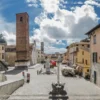
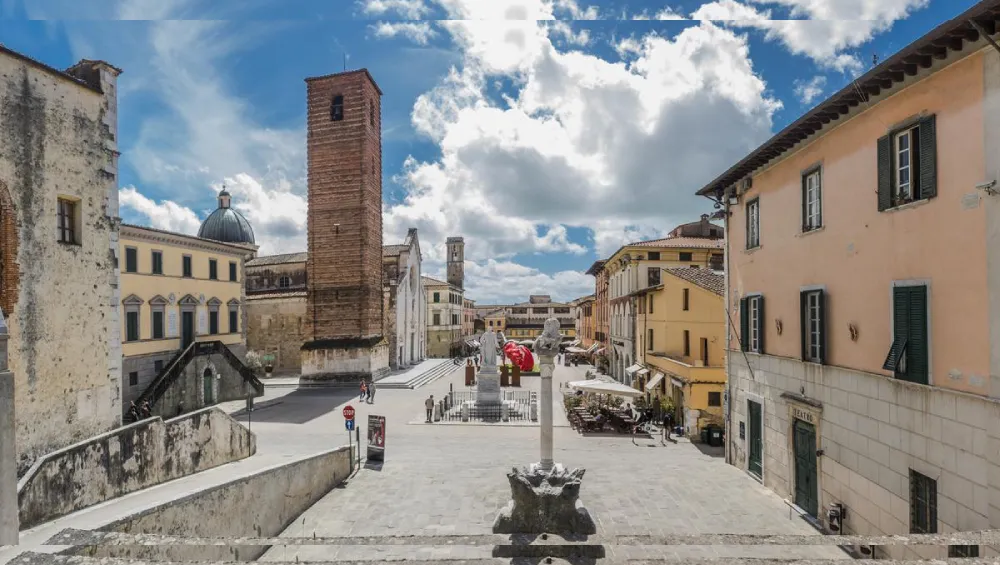
At the heart of Versilia are Viareggio, a city known for its Liberty-style architecture and Italy’s most famous Carnival, Forte dei Marmi, internationally synonymous with seaside elegance, Pietrasanta, the world capital of marble sculpture, and Camaiore, with its medieval old town and hillside hamlets. Rounding out the picture are Massarosa, Seravezza and Stazzema, which extend Versilia inland toward the first slopes of the Apuan Alps.
Where Versilia Is in Relation to Cinque Terre and the Gulf of Poets
Visitors from further afield often ask where Versilia sits relative to better-known destinations in Tuscany and Liguria. The answer is simple: it’s the natural gateway — heading north along the coast takes you to Massa and Carrara, and from there to the Gulf of Poets and the Cinque Terre. It’s no coincidence that it makes such a strategic base for anyone who wants to enjoy both the Tuscan coast and day trips into Liguria.
Why Versilia Is More Than Just a Beach: Sea, Apuan Alps, Marble, Dolce Vita
Reducing Versilia to its beach clubs would be a mistake. Behind the shoreline lies a landscape that keeps shifting: centuries-old pine forests, rivers with crystal-clear water, stone villages, and the Apuan Alps, which — seen from the sea — look snow-capped even in summer thanks to the white of the marble.
Apuan Marble and Pietrasanta
The Carrara quarries supplied the marble Michelangelo worked with, and today they still supply sculptors and designers from all over the world. Pietrasanta is where this tradition truly comes alive: artisan workshops, historic foundries and open-air exhibitions by leading international sculptors, in a town best explored on foot, wandering from one studio to the next.
The Dolce Vita of Forte dei Marmi and Viareggio
Forte dei Marmi has become synonymous with elegant seaside living, with its wooden pier, boutiques and a nightlife that’s understated yet international. Viareggio tells a different story of Versilia — one of Liberty-style architecture along the seafront and the Carnival that brings the city to life every year with its allegorical floats. They’re two faces of the same coast, both equally genuine.
What to See in Versilia and What to Do Between Sea and Hinterland
Answering the question of what to see in Versilia means bringing together sea, nature and culture in a single day — and that’s exactly how we design it for those travelling with us.
E-Bike Rides Through Pine Forests, Rivers and Marble Villages
The Versilia bike tour crosses the seafront, the Versiliana pine forest, Pietrasanta and Seravezza, with stops at crystal-clear pools where you can swim among rocks carved out by the river. Those who prefer a gentler pace can choose the San Rossore Park bike tour or the Lake Massaciuccoli tour, both set in the hinterland between Pisa and Versilia.
Wine Tastings With a View Over Versilia
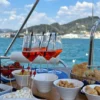
For anyone looking to slow down, the wine tasting on the Versilia terrace pairs sweeping views with a selection of hand-picked wines. Those after a more intimate experience can opt for the exclusive Versilia wine tasting, while the shared version, the Versilia wine experience, is designed for small groups.
Marble Quarries and Sculpture Workshops
Just minutes from the coast, you step into a different world entirely: the shared Carrara marble quarry tour is the ideal introduction, while those after a more private, luxury experience can choose the private tour with a local food tasting, or the full-immersion version — the complete private tour in a Mercedes minivan. For anyone who wants to get hands-on, quite literally, there’s the creative sculpture workshop.
When to Visit Versilia and How to Plan a Stay Between Sea and Hinterland
The ideal season depends on what you’re after. Spring and early summer bring perfect temperatures for cycling and walking inland, while July and August are all about the sea and evenings along the Forte dei Marmi pier. Autumn, with fewer crowds, is perfect for the marble quarries and wine tastings, with the grape harvest making the wine experience even more interesting.
Planning the Right Itinerary
If you’re staying in Versilia for several days, you can alternate a day at the sea with one among the quarries and hillside villages, perhaps rounding it off with dinner at a local restaurant after the bike tour. At Viaggi di Mare, we build the itinerary around you, combining experiences based on the time you have and each traveller’s interests — from couples looking for romance to families with children.
Frequently Asked Questions About Versilia and What to See
What exactly is Versilia?
It’s the coastal strip of northern Tuscany between the sea and the Apuan Alps, taking in Viareggio, Forte dei Marmi, Pietrasanta, Camaiore and, more broadly, the area around Massa and Carrara.
Where is Versilia in relation to the Cinque Terre?
Versilia sits further south along the Tuscan coast; heading north through Massa and Carrara brings you to the Gulf of Poets and, from there, the Cinque Terre, in Liguria.
What to see in Versilia besides the sea?
The Carrara marble quarries, the sculpture workshops of Pietrasanta, the Versiliana pine forest, Lake Massaciuccoli, and the hillside villages of Camaiore and Seravezza.
What are the towns of Versilia?
The main ones are Viareggio, Forte dei Marmi, Pietrasanta, Camaiore, Seravezza, Massarosa and Stazzema, with Massa and Carrara as the natural continuation to the north.
What’s the best time to visit Versilia?
Spring and early summer for cycling and nature, July–August for the sea, and autumn for the marble quarries and wine tastings with smaller crowds.